Physical Address
304 North Cardinal St.
Dorchester Center, MA 02124
Physical Address
304 North Cardinal St.
Dorchester Center, MA 02124
Gadgets & Lifestyle for Everyone
Gadgets & Lifestyle for Everyone
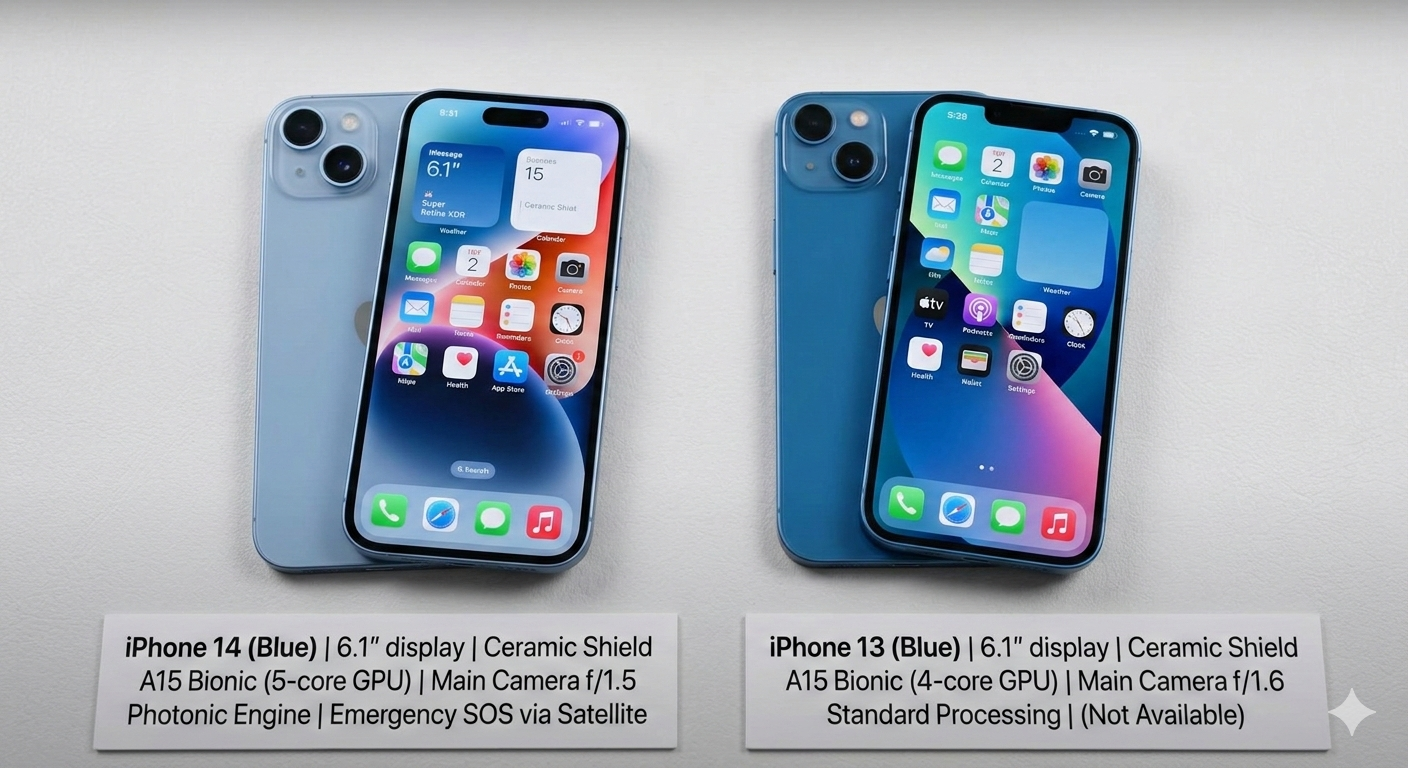
Choosing between the iPhone 14 and iPhone 13 in 2026 is a classic “new vs value” dilemma. Both are excellent devices, but with the iPhone 14 now several years old and the iPhone 13 even more established, the decision comes down to how much you value incremental improvements versus upfront savings. This guide breaks down every difference to help you decide.
The iPhone 13 has aged remarkably well. In fact, many experts argue it’s one of the smartest buys in 2026 for anyone who wants a premium iPhone experience without the premium price tag .
Performance That Holds Up: The A15 Bionic chip remains a powerhouse. Daily tasks like social media, messaging, browsing, and even demanding games run flawlessly. It’s fast enough that most users won’t feel they’re missing anything compared to newer models .
Excellent Camera System: The dual 12MP camera system still produces sharp, natural photos with good dynamic range. Night mode works well, and video recording remains class-leading. For the vast majority of users, the iPhone 13’s camera is more than enough .
Beautiful Display: The 6.1-inch Super Retina XDR display is bright, colorful, and perfect for streaming and reading. While it lacks 120Hz ProMotion, the quality is still top-tier .
Long Software Support: Apple typically supports iPhones for 6-7 years. That means the iPhone 13 will likely receive iOS updates through 2027 or 2028, keeping it secure and compatible with new apps .
Incredible Value: In 2026, the iPhone 13 is available at a fraction of its original price. New units can be found for around €499, and refurbished models start as low as €251 . This makes it an unbeatable entry point into the Apple ecosystem.
60Hz Display: In a world where even budget Android phones offer 90Hz or 120Hz refresh rates, the iPhone 13’s 60Hz screen can feel less smooth when scrolling .
Lightning Port: Apple has moved to USB-C across its newer lineup. The iPhone 13 still uses Lightning, which means carrying an extra cable if you’ve already switched to USB-C for other devices .
No Telephoto Lens: You’re limited to digital zoom, which isn’t ideal for photographing distant subjects .
Older Design: The notch is still present, and there’s no Dynamic Island. It’s a familiar look, but not the latest .
The iPhone 14, released a year later, takes the excellent foundation of the iPhone 13 and adds meaningful refinements—especially in camera and safety features .
Enhanced Camera System: The iPhone 14’s main sensor has a larger f/1.5 aperture (compared to f/1.6 on the 13), letting in more light for better low-light shots . The Photonic Engine improves image processing across all lenses, resulting in better shadow detail and reduced noise .
Autofocus Front Camera: For the first time, the front camera gains autofocus. This means sharper selfies and clearer video calls, especially when you move closer to or farther from the lens .
More RAM: With 6GB of RAM instead of 4GB, the iPhone 14 handles multitasking and keeps more apps in memory. This extra headroom may also contribute to slightly longer software support .
Life-Saving Safety Features: This is the biggest differentiator. The iPhone 14 includes Crash Detection, which can automatically call emergency services if it detects a severe car accident. Even more impressive is Emergency SOS via satellite, which lets you text emergency services when you’re off the grid with no cellular or Wi-Fi signal . These features have already saved lives .
Slightly Better Battery: Apple rates the iPhone 14 for 20 hours of video playback versus 19 on the 13. In real-world use, you might get an extra 30-45 minutes of screen-on time .
Improved Durability: The Ceramic Shield front cover has been enhanced, offering better drop protection than the iPhone 13 .
Incremental Upgrades: If you’re coming from an iPhone 13, the differences are minor. The same design, same basic screen, and same core performance mean it’s not a compelling upgrade for existing 13 users .
Still 60Hz: Like the 13, the standard iPhone 14 lacks ProMotion’s 120Hz refresh rate—a feature reserved for the Pro models .
Still Lightning: Apple waited until the iPhone 15 to switch to USB-C, so the 14 retains the Lightning port .
Higher Price: Even with age, the iPhone 14 commands a premium over the 13. In 2026, new units start around €859, and refurbished models are available from €292 .
Both phones use the A15 Bionic, but the iPhone 14’s version has an extra GPU core (5-core vs 4-core) . In everyday use, this difference is negligible. However, the 2GB of extra RAM in the iPhone 14 (6GB vs 4GB) is more significant for future-proofing, as it helps with multitasking and keeping apps in memory longer .
Winner: iPhone 14 (by a slim margin)
The iPhone 14 offers clear, if subtle, improvements. The larger main sensor aperture improves low-light shots, the Photonic Engine enhances image processing, and the front camera autofocus makes a real difference in selfie and video call quality . For casual photographers, the iPhone 13 is still excellent. For enthusiasts, the 14’s refinements are worth having.
Winner: iPhone 14
This is a landslide victory for the iPhone 14. Crash Detection and Emergency SOS via satellite are genuinely innovative features that could save your life in an emergency. The iPhone 13 has nothing comparable .
Winner: iPhone 14
The difference is marginal. You might get slightly more screen time from the iPhone 14, but both phones comfortably last a full day . Neither supports faster charging than the other.
Winner: Tie (slight edge to iPhone 14)
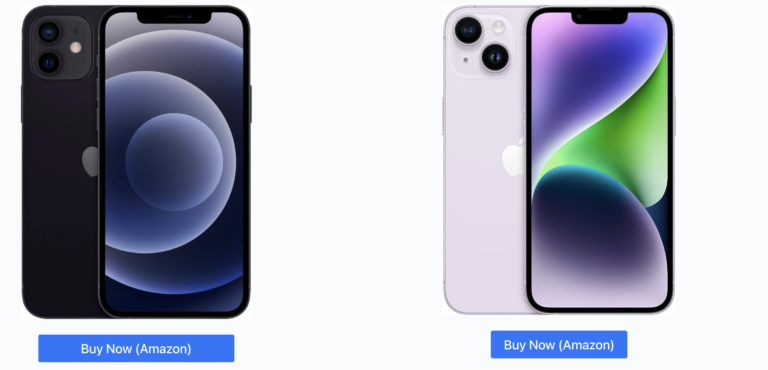
They are virtually identical. Same size, same notch, same 60Hz refresh rate, same aluminum and glass construction. The iPhone 14 is available in Purple (not available on the 13), while the 13 offers Pink and Green .
Winner: Tie (personal color preference)
This is where the iPhone 13 shines. It is significantly cheaper in 2026, whether you buy new or refurbished, while still offering a premium experience . The iPhone 14’s improvements are real, but they come at a cost.
Winner: iPhone 13
In the battle of iPhone 14 vs iPhone 13 in 2026, there’s no single right answer—it depends entirely on your needs and budget.
The iPhone 13 is the smart value choice. It’s a proven, powerful, and capable device that costs significantly less than its successor. For the majority of users, it will do everything you need and more, and it will continue to receive software updates for years to come .
The iPhone 14 is the refined, safety-focused upgrade. It offers tangible improvements in camera quality, multitasking (thanks to more RAM), and most importantly, potentially life-saving safety features. If you can afford the premium and value these additions, it’s a future-proof investment .
Ultimately, you can’t go wrong with either. Both are excellent iPhones. Choose the iPhone 13 for unbeatable value, or the iPhone 14 for its extra peace of mind and refined photography.