Physical Address
304 North Cardinal St.
Dorchester Center, MA 02124
Physical Address
304 North Cardinal St.
Dorchester Center, MA 02124
Gadgets & Lifestyle for Everyone
Gadgets & Lifestyle for Everyone
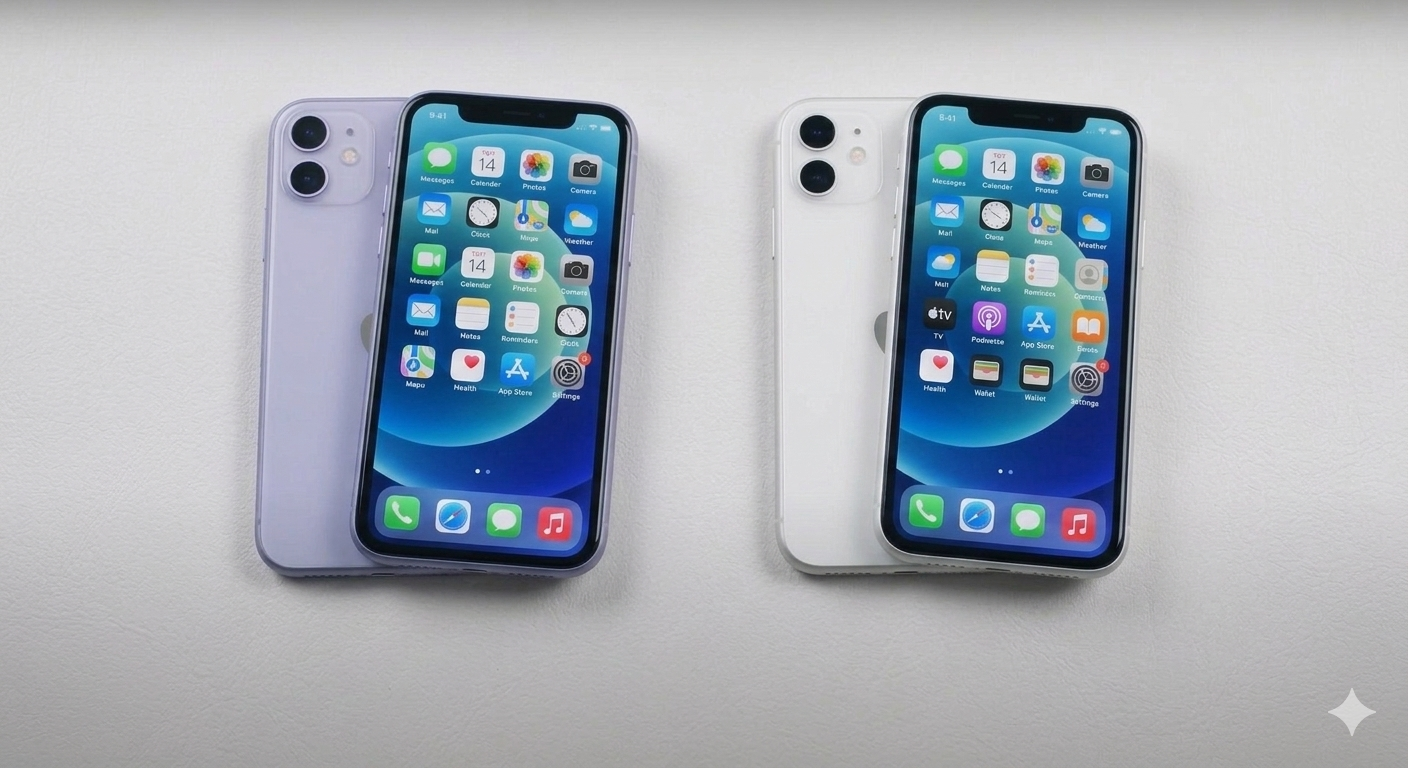
The iPhone 11 launched in 2019, and in 2026, it’s practically ancient by smartphone standards. Yet, it refuses to die. Walk into any budget phone discussion, and someone will still bring up the iPhone 11. With its classic design, capable cameras, and surprisingly durable build, this device has become the default recommendation for anyone who wants an iPhone without the modern price tag.
But in 2026, with iOS updates winding down and hardware showing its age, does the iPhone 11 in 2026 still deserve a spot in your pocket? This comprehensive guide breaks down everything you need to know before buying Apple’s ageless wonder.
| Specification | Details |
|---|---|
| Release Date | September 2019 |
| Display | 6.1-inch Liquid Retina LCD, 1792 x 828 pixels, 60Hz |
| Processor | Apple A13 Bionic (7nm) with 4GB RAM |
| Storage Options | 64GB, 128GB, 256GB |
| Cameras | Dual 12MP (wide + ultra-wide), 12MP front |
| Battery | ~3,110 mAh, 18W fast charging, Qi wireless charging |
| Connectivity | 4G LTE, Wi-Fi 6, Bluetooth 5.0, Lightning port |
| Durability | IP68 water resistance (2 meters for 30 minutes) |
| iOS Support | Ended with iOS 18 (2024) |
| Security Updates | Likely through 2026–2027 |
Before diving into whether the iPhone 11 in 2026 is worth buying, let’s refresh what this phone actually offers. The iPhone 11 sits comfortably in Apple’s “value” lineup—even years after its release, it remains a popular choice for budget buyers.
The 6.1-inch Liquid Retina LCD is the most obvious compromise on the iPhone 11 in 2026. Compared to modern OLED screens, blacks aren’t as deep, and contrast isn’t as punchy. However, the LCD panel is still excellent by LCD standards—bright, color-accurate, and easy on the eyes for extended reading sessions. The 60Hz refresh rate feels dated in a world of 120Hz ProMotion displays, but casual users won’t notice or care.
The design is classic iPhone: aluminum frame, glass back, and a familiar notch that now feels positively ancient compared to the Dynamic Island. It’s thick by 2026 standards and weighs 194 grams—noticeably heavier than newer models.
The A13 Bionic chip powered the iPhone 11 in 2026? Surprisingly well. For everyday tasks—social media, messaging, web browsing, email, video streaming—the A13 remains perfectly capable. Even moderate gaming works fine, though the most demanding titles may show occasional frame drops.
The critical issue is iOS support. Apple officially stopped providing major iOS updates for the iPhone 11 with iOS 18 in 2024. In 2026, the phone runs iOS 18, which is now two versions behind the current iOS 20. While Apple continues to provide security updates for older devices for a year or two after major updates cease, this support window is closing. By late 2026 or early 2027, the iPhone 11 in 2026 may stop receiving critical security patches.
The dual 12MP camera system (wide and ultra-wide) on the iPhone 11 in 2026 remains a strong point. In good light, photos are sharp, colors are accurate, and dynamic range is solid. Night mode works well on the main lens, though the ultra-wide lacks Night Mode. Portrait mode with Depth Control produces pleasing results, and video recording remains excellent—4K at 60fps with great stabilization.
For casual photographers, the iPhone 11 in 2026 still takes photos that look great on social media. For enthusiasts, the lack of telephoto lens and more advanced computational photography features will be noticeable.
The original 3,110 mAh battery was good for all-day use at launch. In 2026, battery health on well-used units is often below 80%, meaning you’ll likely need a mid-day charge. Replacement batteries are available and affordable, but factor that cost into your purchase decision.
Apple stopped selling the iPhone 11 new years ago. Your options for finding an iPhone 11 in 2026 are limited to refurbished and second-hand markets.
Major carriers often sell certified pre-owned iPhone 11 units:
When shopping for an iPhone 11 in 2026, understanding condition grades ensures you get what you pay for:
| Grade | Description |
|---|---|
| Pristine / Excellent | Like new, no visible scratches, original accessories may be included |
| Very Good | Minimal wear, light micro-scratches on screen or body |
| Good | Light signs of use, some visible marks, fully functional |
| Fair / Acceptable | Visible scratches or dents, fully functional, best for budget buyers |
What’s usually included: Refurbished phones typically come with a charging cable but no power adapter or headphones, matching Apple’s environmental policy.
The battery on any iPhone 11 in 2026 is now at least six years old. Original batteries often test below 80% maximum capacity, meaning you’ll need to charge mid-day. Ask sellers for a screenshot of Settings > Battery > Battery Health. Factor in replacement cost if buying a unit with degraded battery.
Reputable refurbishers offer warranties ranging from 6 to 24 months on the iPhone 11 in 2026. Always check what’s included before purchasing. Back Market and Amazon Renewed typically offer at least 12 months.
Ensure the phone is not iCloud-locked. Ask the seller to:
Many refurbished iPhone 11 units are unlocked and work with all major carriers. Confirm compatibility with your specific carrier before buying.
Check for:
When evaluating whether the iPhone 11 in 2026 is worth buying, consider what else is available at similar price points.
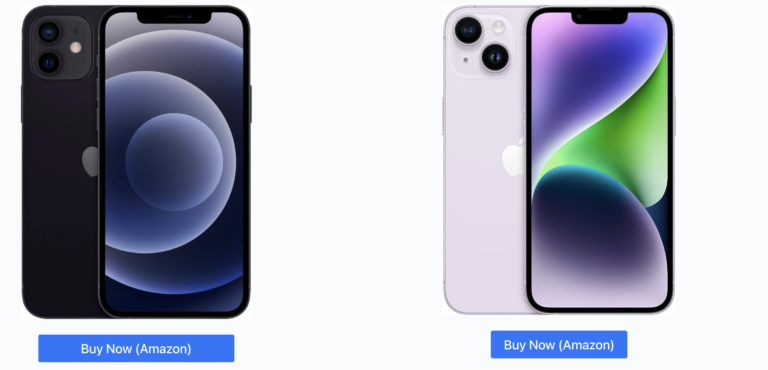
The iPhone 12 offers 5G, an OLED display, a newer A14 chip, and likely one more year of iOS updates. If the price difference is small, the iPhone 12 is the better buy. If the iPhone 11 is significantly cheaper, it may still make sense.
The iPhone SE (2022) has a faster A15 chip, 5G support, and longer software updates, but its tiny 4.7-inch screen and single camera feel dated. The iPhone 11 in 2026 offers a much larger display and dual cameras. Choose based on whether you prioritize performance or screen size.
Budget Android phones in 2026 offer features like 120Hz displays, massive batteries, and multi-lens camera systems for similar money. However, they won’t match Apple’s ecosystem integration or long-term software support consistency.
The iPhone 11 in 2026 is worth buying if:
Consider alternatives if:
| Your Priority | Recommendation |
|---|---|
| Absolute lowest iPhone cost | iPhone 11 (refurbished, Fair condition) |
| Best value with longer support | iPhone 12 refurbished |
| For a child or first-time user | iPhone 11 with replaced battery |
| For photography on a budget | iPhone 11 still takes great photos |
| For future-proofing | Look at iPhone 13 or newer |
| If security updates matter | Avoid iPhone 11—choose iPhone 12+ |
The iPhone 11 in 2026 occupies a strange space. It’s a phone that refuses to die, kept alive by budget-conscious buyers who just want an iPhone without spending hundreds. For those users, it still delivers.
The A13 chip remains capable. The cameras still impress. The build quality feels premium. And the iOS experience—frozen in time at iOS 18—is still familiar and functional.
But the end is visible. With major iOS updates finished and security patches likely ending within a year, the iPhone 11 in 2026 is a device with a limited future. If you buy one, understand that you’re buying a phone for today, not for years to come. Battery replacement will likely be necessary immediately or soon. And you’ll miss out on 5G, modern display technology, and future apps that require newer iOS versions.
For the right buyer at the right price, the iPhone 11 still makes sense. For everyone else, spending a bit more on a newer model is the smarter long-term investment.