Physical Address
304 North Cardinal St.
Dorchester Center, MA 02124
Physical Address
304 North Cardinal St.
Dorchester Center, MA 02124
Gadgets & Lifestyle for Everyone
Gadgets & Lifestyle for Everyone
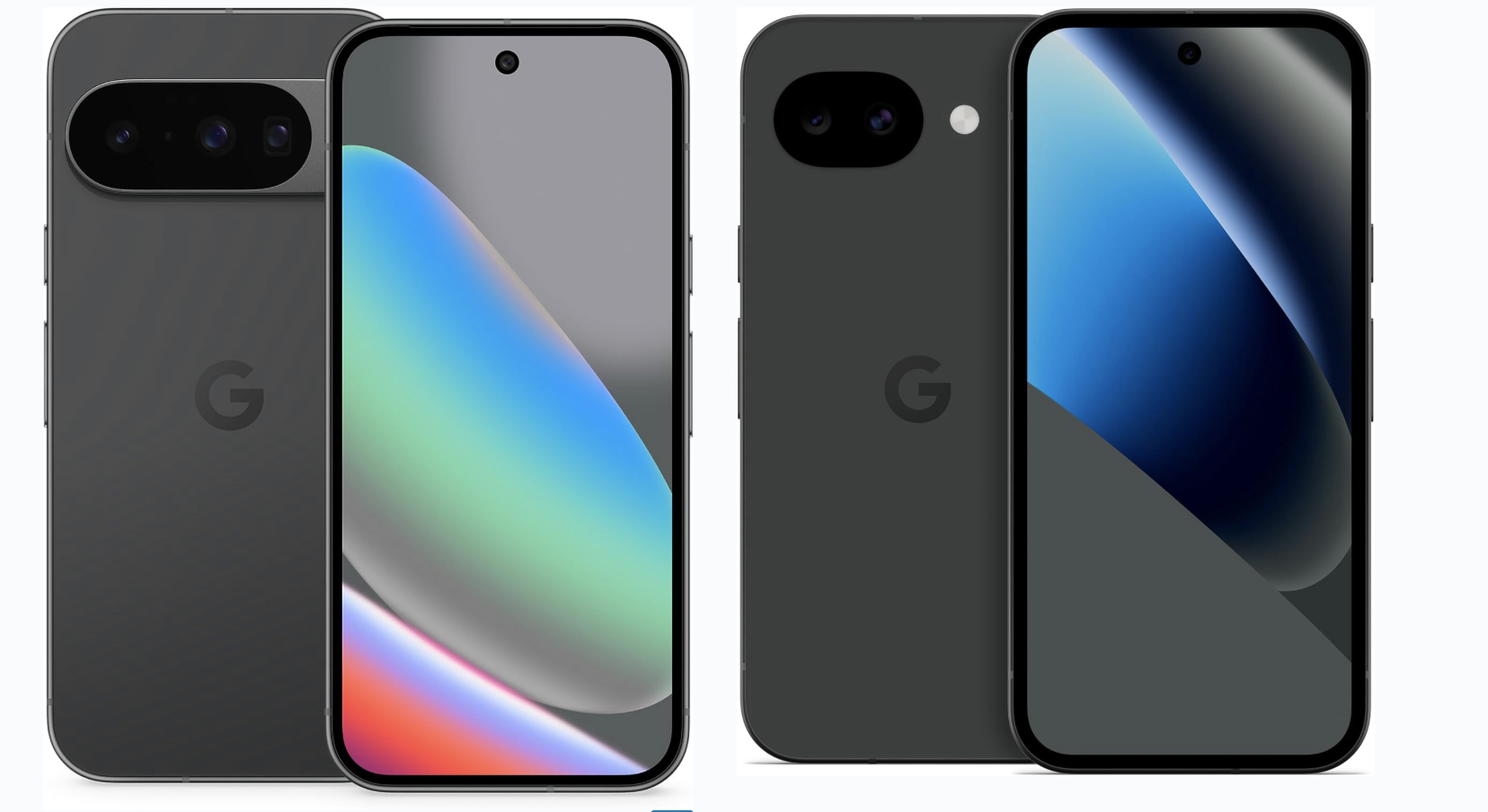
Choosing between the Google Pixel 10 Pro vs Google Pixel 10a means comparing two phones from Google’s 2025-2026 lineup that target completely different audiences. The Pixel 10 Pro is Google’s premium flagship with cutting-edge specifications, while the Pixel 10a delivers the core Pixel experience at a more accessible price point. This Google Pixel 10 Pro vs Google Pixel 10a comparison helps you decide which Pixel phone best fits your needs and budget.
| Feature | Google Pixel 10 Pro | Google Pixel 10a |
|---|---|---|
| Release Year | 2025 | 2026 |
| Operating System | Android 16 | Android 16 |
| Processor | Google Tensor (3.78 GHz) | Google Tensor G4 (3.1 GHz) |
| RAM | 12GB | 8GB |
| Storage | 128GB | 128GB |
| Display Size | 6.3 inches | 6.3 inches |
| Display Type | OLED | OLED |
| Resolution | 1440 x 3120 | 1080 x 2424 |
| Refresh Rate | 120Hz | 120Hz |
| Pixel Density | 422 PPI | 422 PPI |
| Rear Camera | 48MP triple camera | 48MP single camera |
| Front Camera | 10.5MP | 13MP |
| Video Recording | 4K at 60fps | 4K at 60fps |
| Digital Zoom | 8x | 8x |
| Battery Capacity | 4970 mAh | 4300 mAh |
| Battery Life | 12 hours average | 30 hours average |
| Talk Time | 30 hours | 30 hours |
| SIM Type | Single eSIM | Dual SIM (Nano + eSIM) |
| Weight | 195 grams | 183 grams |
| Dimensions | 6 x 2.8 x 0.3 inches | 6.06 x 2.87 x 0.35 inches |
| Water Resistance | Water resistant | IP68 Dust & Water Resistant |
| Biometric Security | Fingerprint sensor | Fingerprint + Facial Recognition |
| Special Features | Google Tensor chip | Gemini AI Assistant, Qi wireless charging |
| Color | Obsidian | Obsidian |
| Best For | Photography enthusiasts, power users | Budget-conscious Pixel fans |
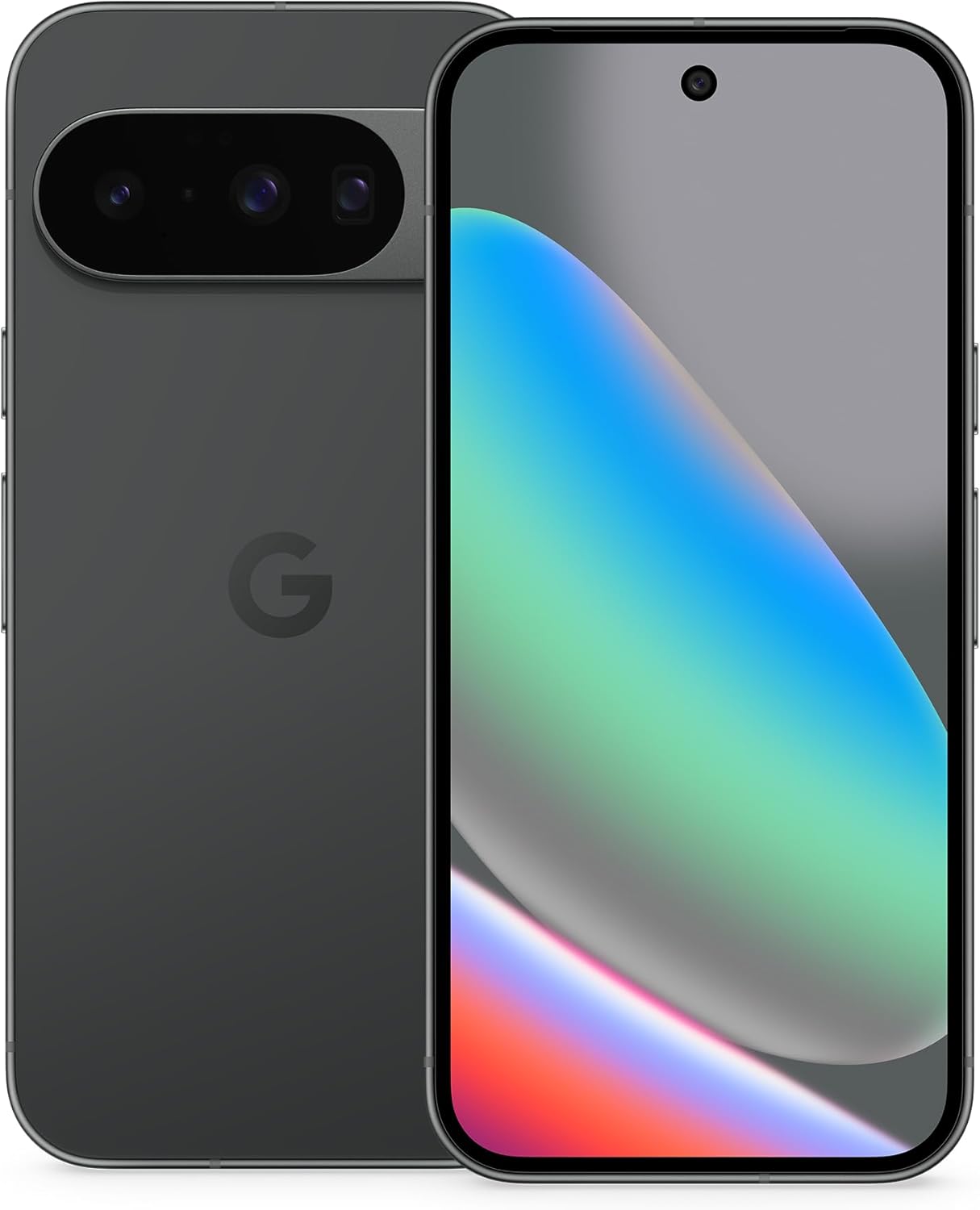
The Pixel 10 Pro features a sophisticated design with premium materials befitting Google’s flagship. At 195 grams, it has a substantial yet comfortable feel. The Obsidian finish is sleek and professional, while water resistance adds practical durability for everyday use.
The single eSIM configuration keeps things simple for users who don’t need physical SIM cards. USB-C connectivity ensures compatibility with modern chargers and accessories. The fingerprint sensor provides quick, reliable security.
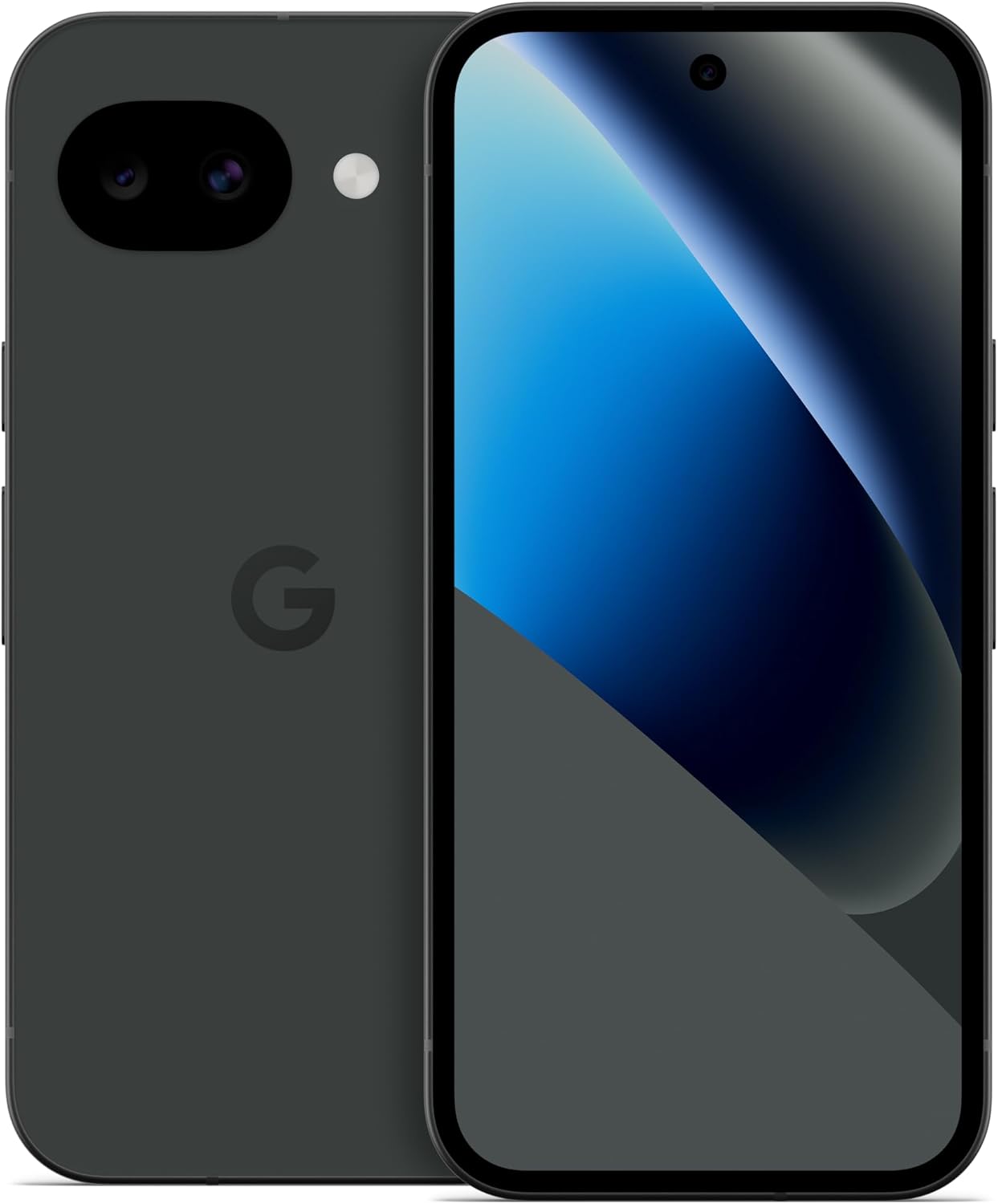
The Pixel 10a, despite being the more affordable option, offers impressive build quality at just 183 grams—lighter than the Pro model. It features IP68 dust and water resistance, a premium feature rarely found in this price segment. This makes it genuinely durable for outdoor adventures and daily mishaps.
The dual SIM support (Nano + eSIM) adds flexibility for travelers or users who need separate work and personal lines. Both fingerprint and facial recognition provide biometric options, letting users choose their preferred security method.
User Experience Verdict: Pixel 10a surprisingly offers IP68 rating and dual SIMs, while Pixel 10 Pro focuses on premium materials. The Google Pixel 10 Pro vs Google Pixel 10a design choice depends on whether you prioritize premium feel or practical features.
The Pixel 10 Pro features a 6.3-inch OLED display with an impressive 1440 x 3120 resolution and 120Hz refresh rate. This high-resolution panel delivers incredibly sharp text, detailed images, and vibrant colors. The 120Hz refresh rate ensures buttery-smooth scrolling and animations.
With 422 PPI pixel density, everything from photos to text looks crisp and clear. For media consumption, gaming, and productivity, this display rivals the best in the industry.
The Pixel 10a also features a 6.3-inch OLED display with 120Hz refresh rate but at 1080 x 2424 resolution. While lower resolution than the Pro, the 422 PPI pixel density matches the Pro model, meaning pixel density is identical—the difference is in total pixels, not sharpness per inch.
For most users, the 1080p display looks excellent in daily use. Text is sharp, colors are vibrant, and the 120Hz refresh rate provides the same fluid experience as the Pro. The lower resolution may actually benefit battery life.
User Experience Verdict: Pixel 10 Pro offers higher resolution for those who demand the absolute best. Pixel 10a delivers excellent 1080p quality that most users will love.
The Pixel 10 Pro features the Google Tensor processor at 3.78 GHz with 12GB RAM. This configuration handles intensive multitasking, gaming, and AI-powered photography with ease. The extra RAM ensures apps stay in memory longer, and switching between them is instantaneous.
The Tensor chip is optimized for Google’s machine learning and AI features, making this phone particularly capable for photography, voice recognition, and on-device intelligence.
The Pixel 10a features the newer Google Tensor G4 processor at 3.1 GHz with 8GB RAM. While clocked slightly lower, the G4 architecture brings efficiency improvements and updated AI capabilities. The 8GB RAM handles everyday tasks smoothly.
The Tensor G4 includes the Gemini AI Assistant, bringing advanced on-device intelligence to the more affordable model. For most users, the performance difference in daily use will be minimal—both phones feel fast and responsive.
User Experience Verdict: Pixel 10 Pro offers more RAM and higher clock speeds for power users. Pixel 10a’s Tensor G4 brings efficiency and AI features that matter in daily use.
The Pixel 10 Pro features a 48MP triple camera system (wide, ultra-wide, telephoto) that provides maximum versatility for photographers. With three lenses, you can capture everything from expansive landscapes to distant subjects with optical zoom. The 10.5MP front camera handles selfies and video calls with clarity.
Google’s computational photography shines on the Pro model, with advanced features like Magic Eraser, Real Tone, and Night Sight. 8x digital zoom gives you reach when you can’t get closer physically. 4K video recording at multiple frame rates makes this a capable video tool.
The Pixel 10a features a 48MP single rear camera. While you lose the versatility of multiple lenses, Google’s computational photography still delivers excellent results. The camera captures detailed, vibrant photos with good dynamic range.
The 13MP front camera actually has higher resolution than the Pro model, making this phone potentially better for selfie enthusiasts. 8x digital zoom matches the Pro’s reach, though without optical zoom, quality will drop at higher zoom levels. 4K video recording capabilities match the Pro model.
User Experience Verdict: Pixel 10 Pro wins for versatility with triple cameras. Pixel 10a offers excellent single-camera performance with a higher-resolution selfie camera.
The Pixel 10 Pro packs a substantial 4970 mAh battery, one of the largest in any Pixel phone. With 12-hour average battery life, this phone easily powers through even the most demanding days. The 30-hour talk time rating confirms excellent endurance.
Fast charging gets you back to full quickly when you do need to top up. The large battery combined with efficient Tensor processing makes this a battery champion.
The Pixel 10a features a 4300 mAh battery with an impressive 30-hour average battery life rating—significantly longer than the Pro’s 12-hour rating on paper. This suggests the more efficient Tensor G4 chip and lower-resolution display combine for exceptional endurance.
Qi-certified wireless charging adds convenience that many mid-range phones lack. Fast charging support ensures quick top-ups when needed. For users who prioritize battery life, the 10a’s efficiency is compelling.
User Experience Verdict: Pixel 10a offers surprisingly long battery life and wireless charging. Pixel 10 Pro provides massive capacity for power users.
Both phones run Android 16, but the Pixel 10 Pro leverages its more powerful Tensor chip for advanced AI features. Google’s computational photography, voice recognition, and on-device intelligence shine on the Pro model.
The Pixel 10a introduces the Gemini AI Assistant, bringing cutting-edge AI capabilities to the more affordable model. This suggests Google is democratizing AI features across its lineup. IP68 rating ensures durability for outdoor use.
User Experience Verdict: Both offer excellent Google software experience. Pixel 10a’s Gemini AI may actually bring newer AI capabilities.
| Aspect | Google Pixel 10 Pro | Google Pixel 10a |
|---|---|---|
| Design | Premium materials | Practical, IP68 rating |
| Display | 1440p 120Hz OLED | 1080p 120Hz OLED |
| Performance | Tensor + 12GB RAM | Tensor G4 + 8GB RAM |
| Camera | Triple 48MP system | Single 48MP + 13MP front |
| Battery | 4970 mAh | 4300 mAh |
| Battery Life | 12 hours | 30 hours |
| Charging | Fast charging | Fast + Wireless |
| Special Features | High-resolution display | Gemini AI, IP68 |
| Best For | Photography enthusiasts | Value seekers, outdoor users |
The Google Pixel 10 Pro delivers a premium flagship experience with its high-resolution 1440p display, versatile triple camera system, generous 12GB RAM, and massive 4970 mAh battery. It’s built for photography enthusiasts and power users who demand the absolute best Google has to offer.
The Google Pixel 10a proves that you don’t need to spend flagship money for an exceptional Pixel experience. With IP68 water resistance, dual SIM support, Gemini AI Assistant, wireless charging, and an incredible 30-hour battery life, it packs features that many flagships lack. The 13MP front camera even outperforms the Pro model for selfies.
Your Google Pixel 10 Pro vs Google Pixel 10a choice ultimately comes down to priorities. If camera versatility and maximum specs matter most, the Pixel 10 Pro delivers. If you want incredible value, practical features like IP68, and battery life that won’t quit, the Pixel 10a might be the smarter choice.