Introduction
Technology in daily life is no longer optional—it is a necessity. In 2026, almost every part of our routine is influenced by digital tools, from the moment we wake up to the time we go to sleep.
Whether it’s checking your phone, attending online classes, or ordering food, technology continues to shape how we live, think, and interact.
This article explores real-life examples of technology in daily life, along with its advantages, disadvantages, and how it has transformed modern living.
Life Before vs After Technology
| Before Technology | After Technology |
|---|---|
| Letters took days to arrive | Instant messaging in seconds |
| Physical classrooms only | Online learning anytime |
| Cash payments | Digital wallets & banking |
| Manual work | Automation & AI tools |
👉 This shift clearly shows how deeply technology has changed our everyday experiences.
1. Smart Communication Everywhere
Today, communication is instant. Messaging apps, emails, and video calls allow people to stay connected globally.
Even businesses rely on technology for meetings and collaboration, reducing distance barriers.

2. Technology in Education (Students’ Reality)
Students are one of the biggest beneficiaries of technology.
- Online classes
- Educational apps
- AI-powered learning tools
In many areas, students rely more on digital learning than traditional classrooms.

3. Healthcare Is Faster and Smarter
Technology helps doctors diagnose diseases quickly using advanced machines and software.
Telemedicine allows patients to consult doctors from home, saving time and effort.

4. Entertainment Is Always Available
Streaming platforms, games, and social media provide unlimited entertainment.
Unlike the past, people no longer depend on TV schedules—they choose what and when to watch.

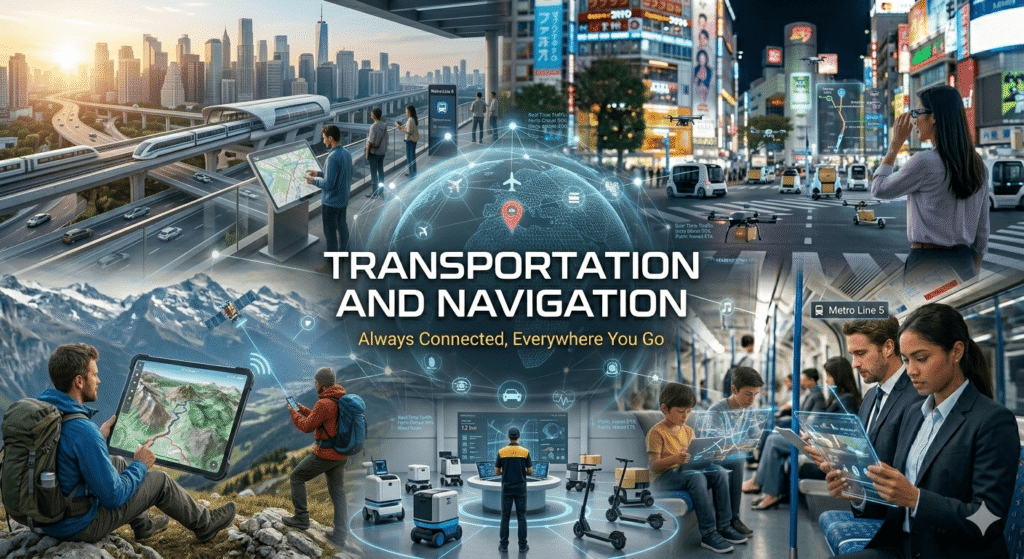
🔹 5. Transportation and Navigation
Navigation apps and GPS systems help people travel efficiently.
Ride-hailing services and online bookings have made transportation more convenient than ever.
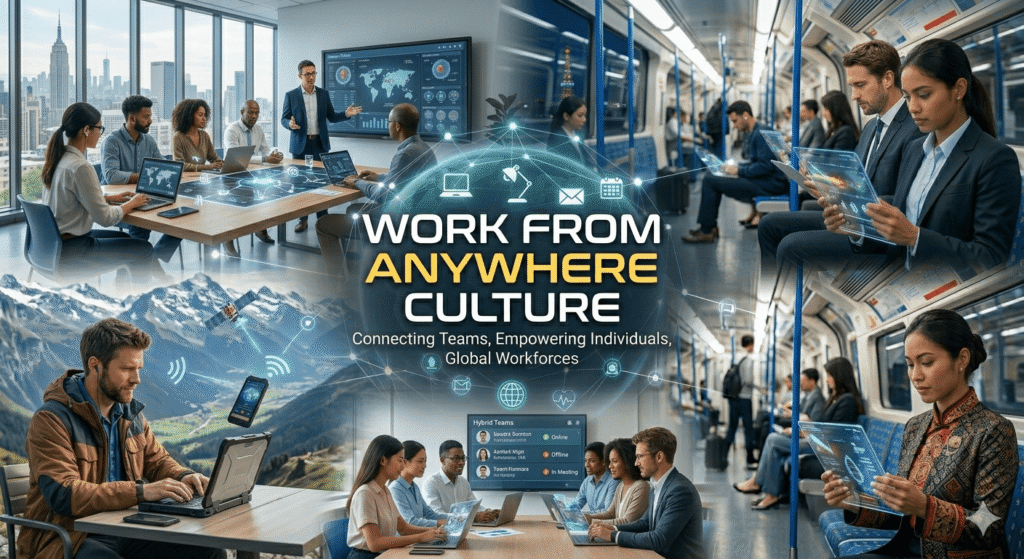
6. Work From Anywhere Culture
Technology has created remote work opportunities.
People can now work from home, cafes, or even different countries using:
- Video calls
- Cloud storage
- Collaboration tools
7. Online Shopping & Digital Payments
E-commerce platforms allow users to buy anything from home.
Digital payments, mobile banking, and QR codes make transactions quick and secure.

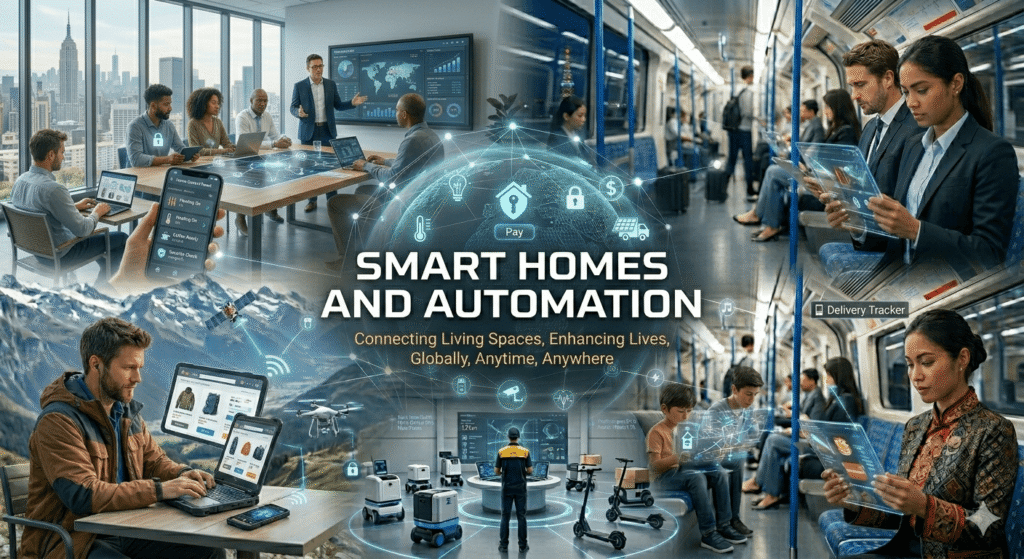
8. Smart Homes and Automation
Smart devices control lights, security, and temperature automatically.
Voice assistants can perform tasks like setting reminders or playing music.
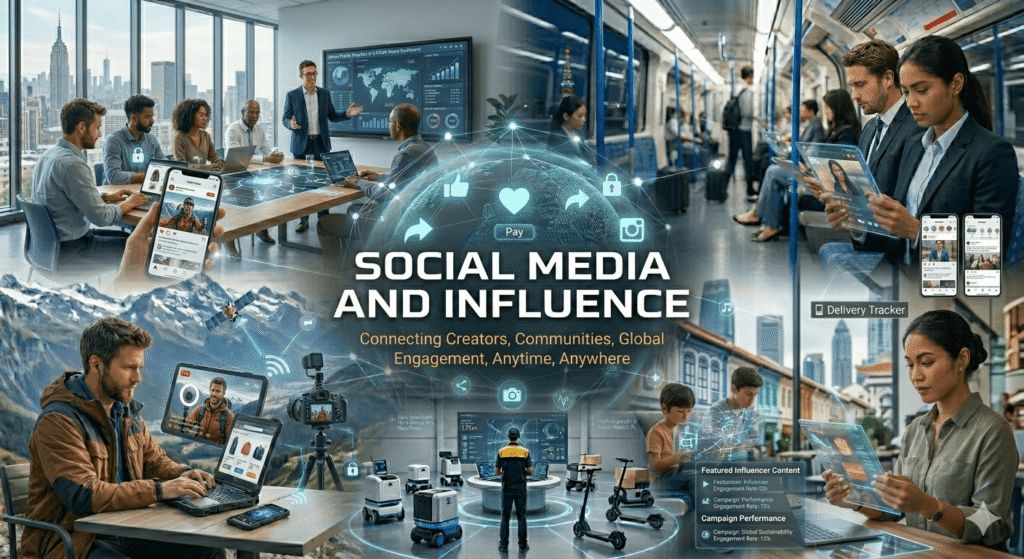
9. Social Media and Influence
Social media platforms shape opinions, trends, and communication styles.
However, excessive use can affect mental health and productivity.
10. Instant Access to Information
Search engines and online platforms provide answers instantly.
Students, professionals, and businesses depend on quick access to information daily.

Technology in Daily Life (Real Insight)
- Most people check their phones within minutes of waking up
- A large portion of daily tasks now depend on the internet
- Digital tools are replacing traditional methods rapidly
👉 This shows how deeply technology is integrated into modern life.
Advantages of Technology in Daily Life
- Saves time and increases efficiency
- Improves communication globally
- Enhances education and learning
- Makes healthcare more accessible
- Provides convenience in daily tasks
Disadvantages of Technology in Daily Life
- Screen addiction and reduced physical activity
- Privacy and data security risks
- Overdependence on digital devices
- Reduced face-to-face interaction
Technology in Daily Life for Students
Technology plays a major role in students’ lives:
- Online classes and e-learning platforms
- Access to unlimited study resources
- Better research opportunities
- Digital collaboration with classmates
👉 However, distractions like social media can affect focus if not managed properly.
Conclusion
Technology in daily life has transformed how we communicate, learn, work, and live. In 2026, it continues to evolve rapidly, making life easier and more connected.
However, balance is important. Using technology wisely ensures we gain its benefits without facing its negative effects.
FAQs
What is technology in daily life?
Technology in daily life refers to the use of digital tools and systems that help us perform everyday tasks efficiently.
Why is technology important in daily life?
It improves communication, saves time, enhances learning, and makes life more convenient.
What are 5 uses of technology in daily life?
Communication, education, healthcare, entertainment, and transportation.