Physical Address
304 North Cardinal St.
Dorchester Center, MA 02124
Physical Address
304 North Cardinal St.
Dorchester Center, MA 02124
Gadgets & Lifestyle for Everyone
Gadgets & Lifestyle for Everyone
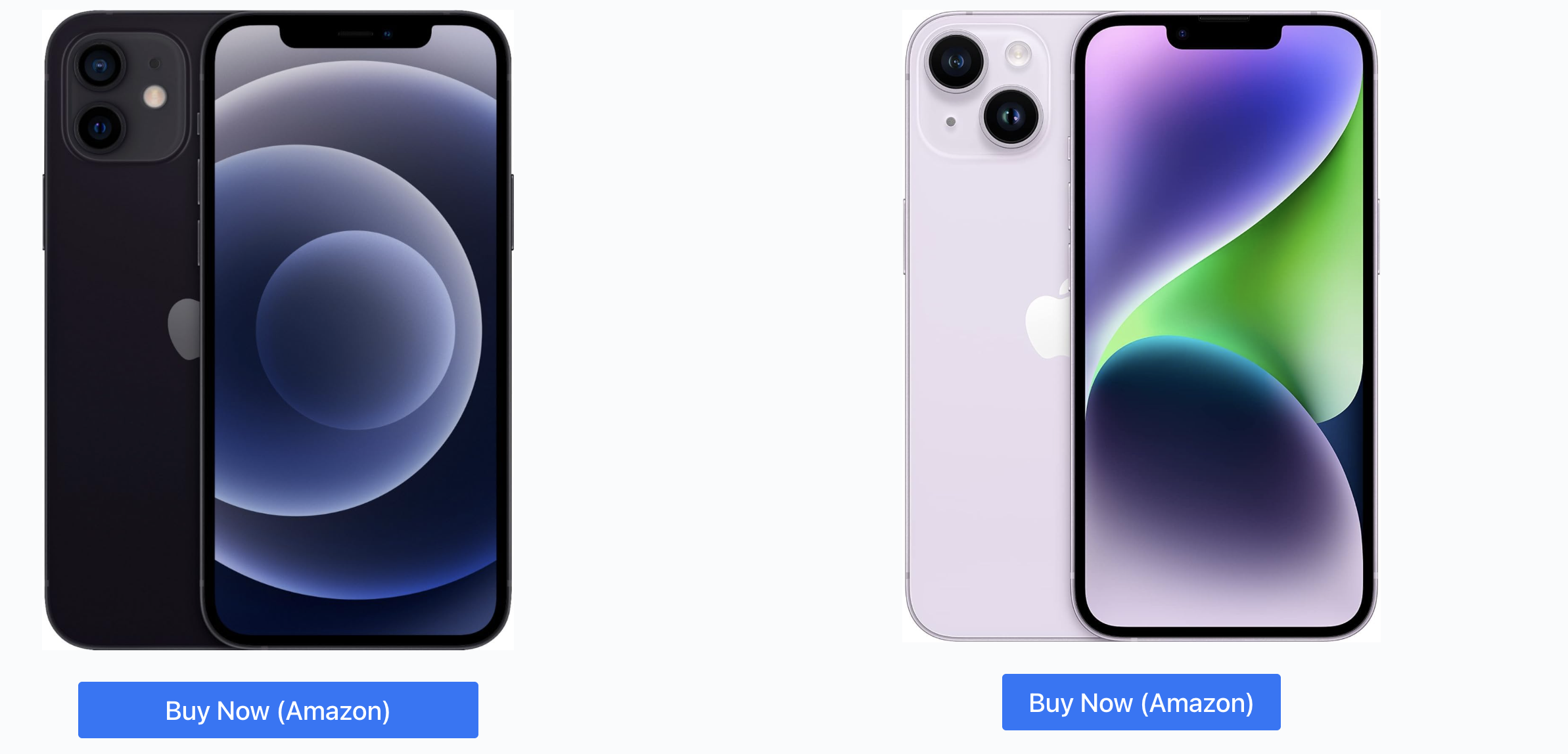
Choosing between the iPhone 12 vs iPhone 14 means comparing two renewed iPhone models from different generations. The iPhone 12 (2020) offers an affordable entry point into the Apple ecosystem, while the iPhone 14 (2022) delivers significant upgrades in performance, camera, and battery life. This iPhone 12 vs iPhone 14 comparison helps you decide which renewed iPhone offers the best value for your needs in 2026.
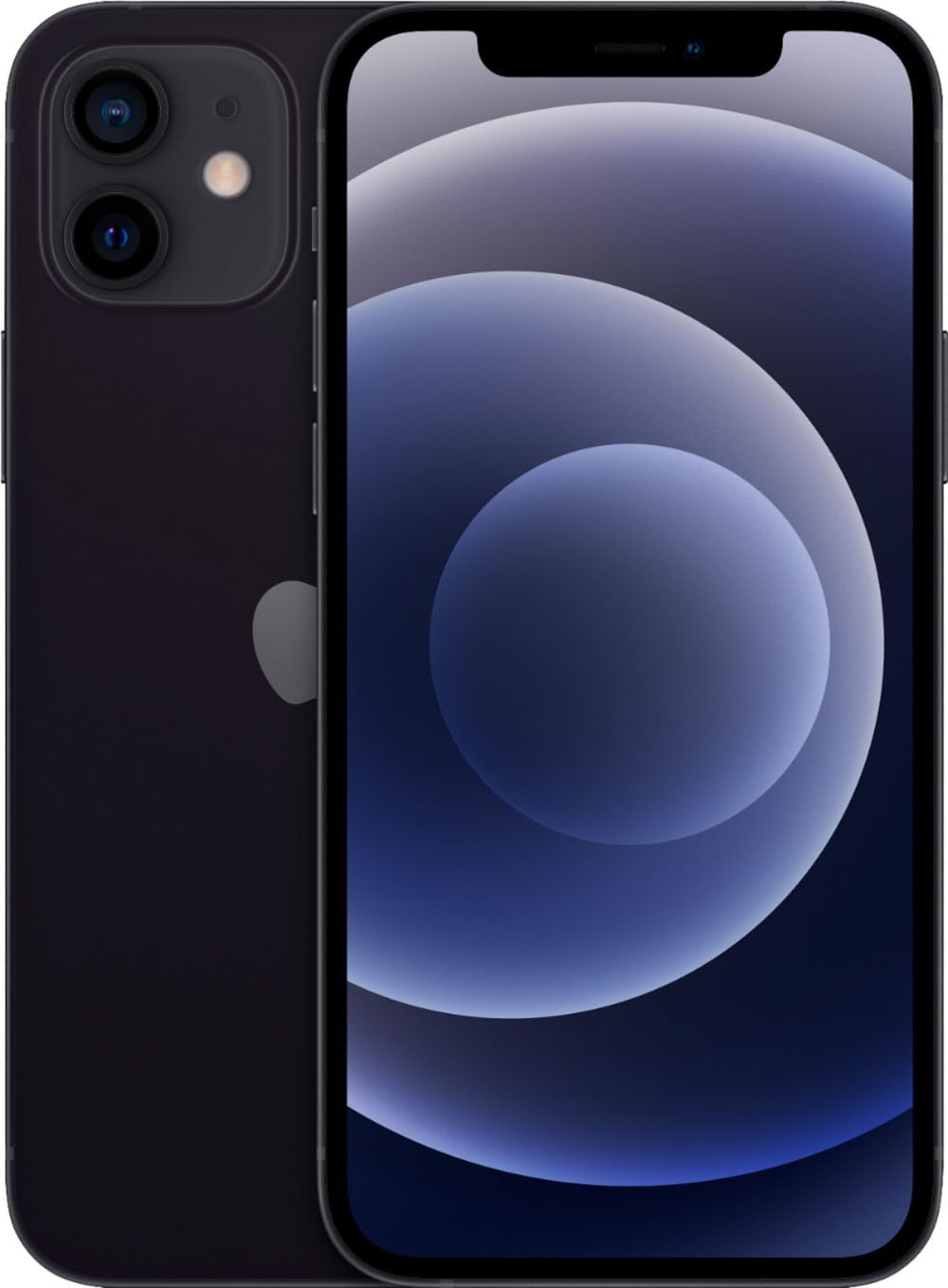
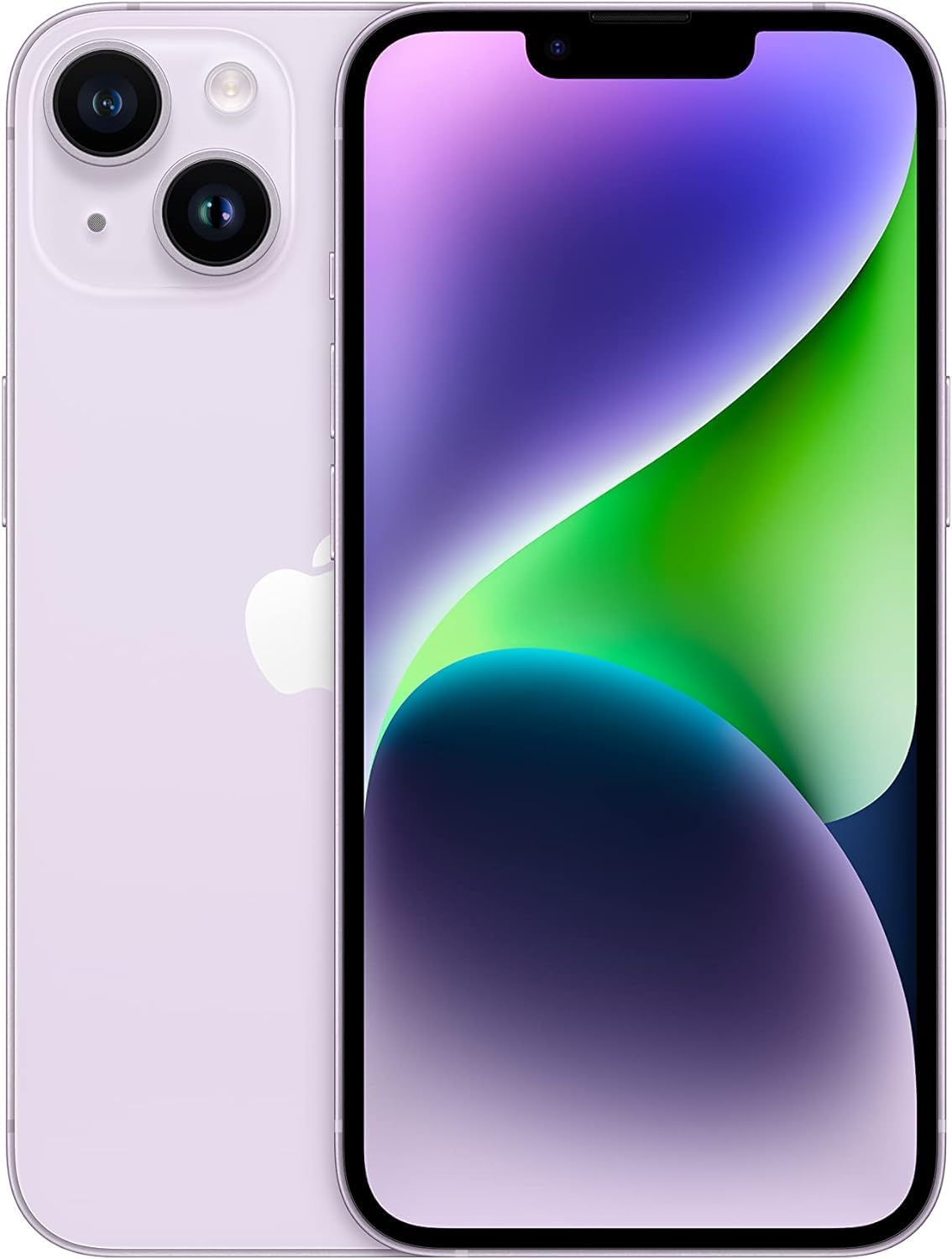
| Feature | iPhone 12 (Renewed) | iPhone 14 (Renewed) |
|---|---|---|
| Release Year | 2020 | 2022 |
| Operating System | iOS 16 | iOS 16 |
| Processor | 1.2GHz Cortex A8 | Apple A15 Bionic (3.23 GHz) |
| RAM | 8GB | 8GB |
| Storage | 64GB | 128GB |
| Display Size | 6.1 inches | 6.1 inches |
| Display Type | OLED | OLED |
| Resolution | 2532 x 1170 | 2532 x 1170 |
| Refresh Rate | 60Hz | 60Hz |
| Rear Camera | 12MP (single) | 12MP dual camera |
| Front Camera | 12MP | 12MP |
| Video Recording | 1080p | 1080p, 4K |
| Battery Capacity | 2815 mAh | 3279 mAh |
| Battery Life | 8 hours average | 75 hours talk time |
| SIM Type | Dual eSIM | Dual eSIM |
| Connector | Lightning | Lightning |
| Weight | 7 ounces | 172 grams (6.07 oz) |
| Dimensions | 7 x 4 x 5 inches | 10 x 2 x 2.7 inches |
| Color | Black | Purple |
| Best For | Budget-conscious buyers | Performance seekers |
The iPhone 12 features the classic flat-edge design that marked a return to iPhone 4-era aesthetics. At 7 ounces, it’s lightweight and comfortable to hold. The black finish is timeless and professional. Dual SIM support with eSIM adds flexibility for travelers.
The Lightning port feels dated in 2026, though renewed units maintain the familiar Apple connector. Face recognition works reliably for security, though some users still prefer fingerprint sensors.
The iPhone 14 continues the design language established with the iPhone 12 but with refined materials and build quality. Available in Purple, it adds a pop of color to the lineup. At 172 grams, it’s slightly lighter and more comfortable for extended use.
Both models share the same dual eSIM configuration, making them equally versatile for international travel. The iPhone 14 feels more premium in hand due to improved materials and construction.
User Experience Verdict: iPhone 14 offers refined design and better materials, though both share the familiar iPhone aesthetic.
The iPhone 12 features a 6.1-inch OLED display with 2532 x 1170 resolution. Colors are vibrant, blacks are deep, and overall image quality represents a significant upgrade from LCD iPhones. The 60Hz refresh rate is standard for its generation.
For everyday use—browsing, social media, video streaming—the display holds up well. However, side-by-side with newer phones, the lack of promotion technology is noticeable.
The iPhone 14 shares the identical 6.1-inch OLED display with 2532 x 1170 resolution. On paper, the specs match the iPhone 12 exactly. However, the A15 Bionic chip powers better display processing, resulting in smoother overall performance even at the same 60Hz refresh rate.
The 460 PPI pixel density ensures crisp text and sharp images. For media consumption, both displays deliver excellent experiences.
User Experience Verdict: Displays are virtually identical, though the iPhone 14’s processor makes everything feel slightly smoother.
The iPhone 12’s 1.2GHz Cortex A8 processor with 8GB RAM tells the story of a phone that’s now several generations old. While 8GB RAM is respectable, the processor struggles with demanding apps and multitasking in 2026. Basic tasks like calls, texts, and light browsing work fine, but gaming or video editing will test its limits.
iOS 16 is now several versions behind current iOS releases. While the phone remains functional, newer apps may eventually require newer iOS versions. Battery life averages just 8 hours, which may mean mid-day charging for heavy users.
The iPhone 14’s Apple A15 Bionic processor at 3.23 GHz with 8GB RAM represents a massive leap forward. This chip handles demanding applications, gaming, and multitasking with ease. Apps open quickly, switching between them is seamless, and overall responsiveness is excellent.
iOS 16 runs smoothly on this hardware, and the phone will likely receive updates for several more years. The 75-hour talk time battery life indicates excellent power efficiency—real-world mixed usage easily lasts a full day.
User Experience Verdict: The iPhone 12 vs iPhone 14 performance gap is massive. iPhone 14 delivers modern performance; iPhone 12 struggles with demanding tasks.
The iPhone 12 features a single 12MP rear camera. While it takes decent photos in good lighting, the lack of multiple lenses limits versatility. Night mode helps in low light, but results won’t match newer iPhones. The 12MP front camera handles selfies adequately.
Video recording maxes out at 1080p, which feels limited in 2026 when 4K has become standard. For casual users who only need occasional photos, it’s acceptable.
The iPhone 14 features a 12MP dual camera system with wide and ultra-wide lenses. This configuration provides flexibility for various shooting scenarios. The main camera captures detailed images with natural colors, while the ultra-wide adds creative possibilities.
High Dynamic Range shooting mode ensures well-exposed photos in challenging lighting. 4K video recording at multiple frame rates makes this a capable video tool. The 12MP front camera delivers excellent selfies and video calls.
User Experience Verdict: iPhone 14 wins decisively with dual cameras and 4K video. iPhone 12’s single camera and 1080p video feel outdated.
The 2815 mAh battery with 8-hour average life means this phone requires frequent charging. For light users, it might last a workday. For anyone using their phone regularly, mid-day charging becomes necessary. The Lightning port charges slowly by modern standards, and there’s no wireless charging support.
Renewed units may have degraded batteries, further reducing already limited endurance.
The 3279 mAh battery with 75-hour talk time translates to excellent real-world endurance. Most users will comfortably get through a full day of mixed usage. When you do need to charge, the Lightning port supports reasonable speeds.
The iPhone 14 also supports wireless charging, adding convenience for desk workers and nightstand users. Battery health on renewed units varies, but even degraded batteries outperform the iPhone 12’s best.
User Experience Verdict: iPhone 14 offers vastly superior battery life and wireless charging. iPhone 12 requires frequent charging.
iOS 16 runs on the iPhone 12, but this version is now several generations behind current iOS releases. While core functions like iMessage, FaceTime, and the App Store remain accessible, newer apps may eventually require newer iOS versions.
Apple typically supports iPhones for 5-6 years. The iPhone 12 (2020) is nearing the end of its supported lifecycle. Security updates may continue for a limited time, but major OS upgrades are unlikely.
The iPhone 14 (2022) with A15 Bionic chip has years of software support ahead. iOS 16 runs beautifully, and the phone will receive updates through at least 2027-2028. This makes it a much better long-term investment.
All Apple services work flawlessly, and integration with the broader Apple ecosystem (AirPods, Apple Watch, Mac) remains seamless. The renewed status includes a 90-day warranty for peace of mind.
User Experience Verdict: iPhone 14 offers years of future updates. iPhone 12 is approaching end-of-life.
| Aspect | iPhone 12 | iPhone 14 |
|---|---|---|
| Design | Classic flat-edge | Refined, premium feel |
| Display | 6.1″ 60Hz OLED | 6.1″ 60Hz OLED |
| Performance | Aging A8 processor | Capable A15 Bionic |
| Camera | Single 12MP, 1080p video | Dual 12MP, 4K video |
| Battery | 2815 mAh, 8-hour life | 3279 mAh, 75-hour talk |
| Charging | Lightning only | Lightning + wireless |
| Software Support | End-of-life approaching | Years of updates left |
| Best For | Extreme budget buyers | Value + performance seekers |
The iPhone 14 delivers significantly better performance, camera capabilities, battery life, and future software support than the iPhone 12. The A15 Bionic chip alone makes it worth the price difference for anyone who uses their phone regularly.
The iPhone 12 still works for basic users on extremely tight budgets, but its aging processor, single camera, limited battery, and approaching end-of-life status make it difficult to recommend for most buyers.
Your iPhone 12 vs iPhone 14 choice ultimately comes down to budget and needs. If you can stretch your budget, the iPhone 14 offers dramatically better value and longevity. If every dollar counts and your needs are minimal, the iPhone 12 will still handle basics—just don’t expect it to last for years.